
Low VOC Sealant Guide 2026: Green Building Applications


Low VOC sealants have become a key part in modern green building design. As the construction field moves toward sustainability, the need for materials that give both good performance and care for the environment has grown fast. Low VOC sealants cut down on volatile organic compounds. They help keep indoor air clean and lower harm to nature while still holding up well over time.
What is Low VOC Sealant
Old style sealants often use lots of solvents that let these compounds out while they dry. Low VOC types use water based mixes or hybrid polymer setups instead. These cut emissions a lot.
Rules like ISO 11890-2 and marks such as GREENGUARD or EC1 Plus set clear VOC limits for building goods. These marks let architects and builders know the product fits strict green rules for lasting projects.
The Role of Low VOC Sealants in Sustainable Construction
Low VOC sealants help make indoor air better. This matters a lot for green building scores like LEED and BREEAM. Using them means less contact with floating pollutants both during work and after it ends.
On the making side, these sealants help cut the overall carbon load. Many makers now skip solvents and use packs that can be reused. Since it started in 1998, KINGDELI has grown into a large sealant maker in Foshan, China. It keeps tight checks on quality so the goods stay steady. This care helps the products meet green rules in markets around the world.
Market Trends and Regulatory Landscape in 2026
Experts see yearly rises above 6 percent through 2026 for low VOC sealant sales worldwide. This comes from new builds and fix up work that focus on saving energy. In the European Union, REACH rules keep limiting risky chemicals in glues. In the United States, EPA steps under the Clean Air Act set local VOC caps for coatings and sealants.
In China, the GB/T14683-2017 rule gives test ways for silicone goods in buildings. Many KINGDELI test papers follow this rule. Tougher rules push makers to try new green mixes. For firms like KINGDELI that sell abroad, hitting many country rules is key to reach new places.
Key Performance Characteristics of Modern Low VOC Sealants
Before picking a product, experts look at its mix, how it cures, how well it sticks, and how it holds against weather.
Chemical Composition and Formulation Advances
Most new low VOC mixes use water based acrylics or changed silane polymers rather than heavy solvent resins. HY-993 High Strength MS Polymer Adhesive is one such item. It is a single part glue based on SIPE resin. It seals and bonds well, keeps VOC low, and stays safe for the air. These hybrid types give stretch with almost no smell while they go on.
Durability and Weather Resistance in Green Construction Applications
Long life still matters for green builds because strong joints mean fewer fixes later. HY-3300 Weather-Resistant Neutral Silicone Sealant is a full silicone type. It has low VOC, good bend, and strong hold against water, sun, and weather. These traits suit outside walls in tough climates. After it cures it stays good from -50°C up to +200°C.
Applications of Low VOC Sealants in Green Building Projects
Low VOC sealants work on outside walls, inside spaces where air quality counts, and some green energy spots.
Building Envelope Sealing Solutions
They go around curtain walls, window frames, stretch joints, skylights, and fronts. Good seals stop heat loss. This cuts heating and cooling needs and fits passive house goals.
Interior Applications for Healthier Indoor Spaces
Neutral-curing silicone sealant is very practical in places such as hospitals and schools. HY-722 sanitary silicone sealant is a one component product that cures at room temperature. It has good stability, good elasticity, low VOC content, and a very mild odor. Furthermore, it has good anti-mildew and anti-aging properties. This allows installers to safely seal sinks and tiles during the product’s curing process without releasing harmful gases.
Specialized Uses in Sustainable Infrastructure Projects
Eco friendly caulks also help green power setups. They seal solar frames to block water or keep green roofs tight for rain control.
Selection Criteria for Eco-Friendly Caulks and Sealants
Picking the right good means weighing trust in its marks against how well it fits the surface or joint move needs.
Evaluating Product Labels and Certifications
Experts check for GREENGUARD Gold or EMICODE EC1 Plus marks. These show very low release under 50 g/L. Data sheets give exact gram per liter numbers plus cure details tested to ISO or ASTM rules that KINGDELI list, such as ASTM C920.
Matching Sealant Type to Application Requirements
Silicone-Based Low VOC Sealants
These work best on joints that move a lot and face sun. They suit glass fronts or metal panels because they bend well across wide heat ranges.
Polyurethane-Based Formulations with Reduced Emissions
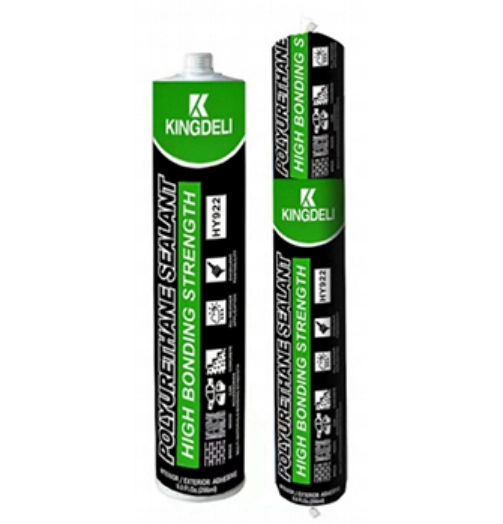
HY-922 multipurpose polyurethane sealant and similar goods are safe, skip solvents, and stay low in VOC. They stick well to concrete or aluminum and handle move in bridges or tunnels.
MS Polymer Hybrid Sealants
These hybrids paint easily and give solid strength. HY-994 multi-purpose MS polymer sealant has no solvents and no shrink. It bonds to most surfaces without primer. It works on wood and composite panels alike.
Manufacturing Excellence: KINGDELI’s Approach to Sustainable Adhesive Solutions
KINGDELI values skill and edge. We work with top labs to bring fresh materials and ways into its goods. This spend helps keep cutting emissions with plant based adds when it fits, while still giving the bond strength global buyers want. The QC group checks raw stuff through to finished goods. Every product meets set quality marks before it ships.
ISO system marks give clear trace records. This matters when goods cross borders that need CE or RoHS checks in the 2023 to 2026 period. KINGDELI works with contractors who need custom flow or color to match design looks. We also give tech help during test builds. This keeps field results steady and in line with green aims.
Future Outlook: The Path Toward a More Sustainable Adhesive Industry by 2026 and Beyond
Looking ahead, new ideas will change what low emission means. The focus will shift from just less solvent to smarter molecule design.
Anticipated Technological Developments in Low VOC Materials
Plant based polymers from green sources are starting to replace oil based resins in construction glues. Some see smart sealants that fix small cracks on their own. This would make joints last longer and cut waste from early swaps.
The Expanding Role of Manufacturers in Driving Green Construction Innovation
Clear life cycle reports will build trust with those who pick green caulk. Work between suppliers, mark groups, and design teams will help line up test rules worldwide. Every green building sealant can then add real value to low carbon builds by the end of the decade.
FAQs
Q1. What qualifies a sealant as “low VOC”?
It needs less than about 50 grams per liter of volatile organic compounds per rules like LEED EQ Credit.
Q2. Are low VOC sealants less durable than traditional ones?
No. New mixes with silicone or MS polymer hold stretch and weather hold as well or better than old types.
Q3. Can I paint over eco-friendly caulk?
Yes. Many acrylic or MS polymer types take paint once they cure and still keep their hold.
Q4. Do low VOC products cost more?
They may start a bit higher but they lower health risks over time and help earn green credits that balance the first spend.
Q5. Which applications benefit most from green building sealant use?
Spaces with long stays like schools and hospitals, or outside walls that need weather hold without bad vapors, gain the most from low release mixes.