
Mold Resistant Caulk: How to Win the War Against Mildew
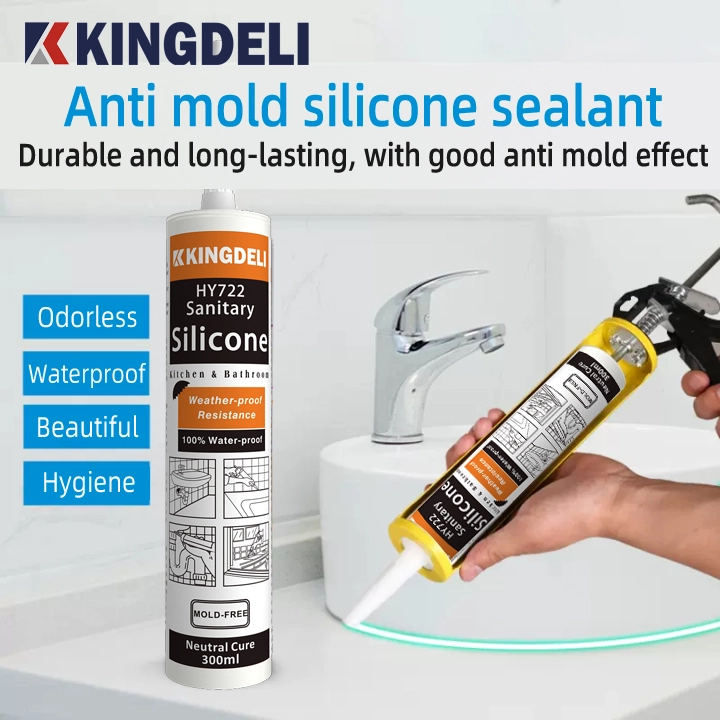
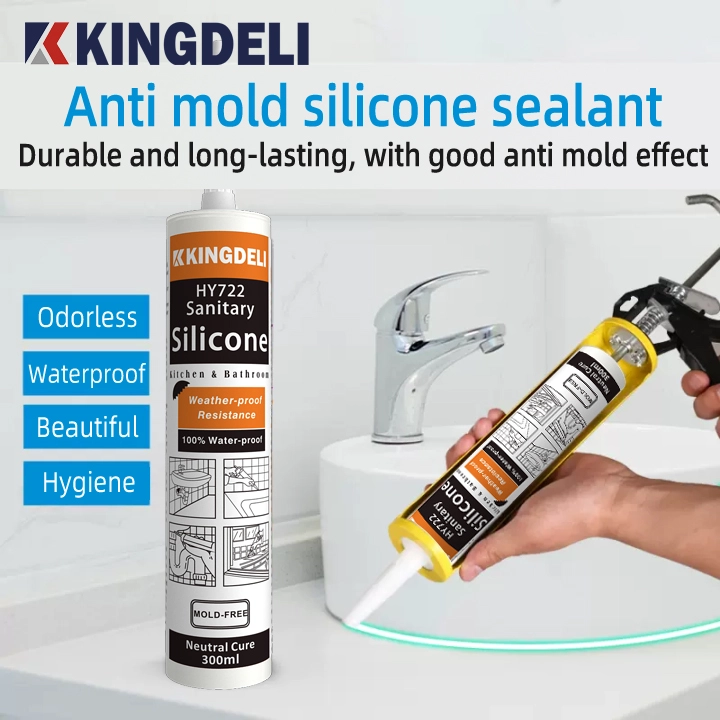
Bathrooms and kitchens serve as key spots to fight black mold. The foe isn’t only dampness. It’s the concealed mix of humidity, leftover bits, and worn or low-grade caulk that holds water and helps fungi spread. The fix comes not from constant wiping but from picking the best mold resistant caulk, putting it on right, and keeping it clean with attention.
Understanding Why Caulk Gets Moldy
Mold on caulk looks bad. It also points to bigger problems in your home’s water handling. To stop it, first learn the setup that lets mold grow.
The Conditions That Allow Mold to Grow
Mold grows well where heat and wetness meet calm air. Think of bathrooms, showers, and kitchen sinks. These are damp spots with weak airflow. Leftover stuff like soap bits or body oils on caulk feeds mold groups. Once they start, these tiny bits spread fast over surfaces. This happens especially if you clean seldom or air flow stays poor.
How Old or Poor‑Quality Caulk Contributes to Mold Growth
Caulk gets old and loses bounce. Then it starts to split. These tiny openings catch water under the top layer. There, mold bits grow out of sight. Caulks not made of silicone, like acrylic or latex, soak up water. This speeds up the bad cycle. Dirt and soap bits stick to these open materials. They make a spot for mildew that surface wiping can’t fix fully.
Why Regular Cleaning Doesn’t Solve the Problem
Bleach or home cleaners might brighten spots for a bit. But they seldom go deep to kill hidden bits. In time, strong chemicals harm caulk strength. This leads to more splits and peeling. If you don’t take out and swap the dirty sealant all at once, mold comes back. It often shows up again in just weeks.
The Science Behind Mold Resistant Caulk
Once you see why normal caulk doesn’t work, the worth of a strong mold resistant silicone sealant stands out.
What Makes Silicone Sealant Effective Against Mold
Silicone makes a water-tight wall that fights water entry. It stays bendy even in wet places. Its smooth top stops leftover buildup that usually feeds mold.
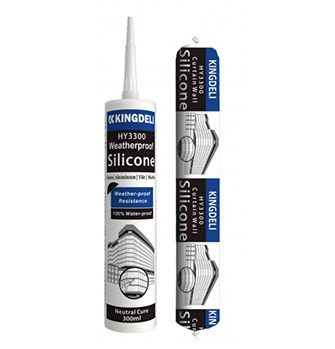
HY‑3300 Weatherproof Neutral Silicone Sealant is a high modulus one‑component, shelf‑stable, neutral room temperature curing architectural grade sealant exhibiting outstanding physical properties for project and general building construction.
This product’s 100% silicone composition ensures long‑term water resistance and UV stability — key factors in preventing black mold in bathroom joints.
The Role of Biocides in Mold Prevention
Biocides are added chemicals in sealants. They stop germ growth right on the top. They make caulks last longer by blocking dirt before bits can settle. New mixes keep safety in mind with good work. So they guard without putting bad stuff in home air.
Why Combining Silicone and Biocides Works Best
Silicone gives a tight physical block. Biocides add a chemical guard. Together, they make two layers of safety. They stop water from getting in and kill any bits that touch the top. This team-up is why pros pick sanitary silicone for bathrooms and kitchens. They choose it over cheap picks.
Choosing the Right Mold Resistant Caulk for Your Home
Picking good stuff saves time and cash down the road. Not every “mildew resistant” tag means it will last.
Key Features to Look For in a Quality Product
- Labeled clearly as “100% silicone” or “mold resistant.”
- Includes antimicrobial or biocide additives for enhanced protection.
- Durable against temperature changes from –50 °C to +150 °C after curing.HY‑722 Sanitary Silicone Sealant is well‑suited for use in damp areas such as toilets and kitchens where fungal growth on sealants are prevalent.
Such properties ensure consistent performance under constant exposure to steam or cleaning agents.
Common Red Flags When Buying Sealants
Skip acrylic or latex-based items sold as mildew proof. Their open build makes them weak over time. Watch out for cheap choices without info sheets or approval marks like ASTM C920 compliance. Good makers share clear details on their mix and tests.
Proper Application Techniques for Lasting Results
Even top sealants flop if you put them on wrong. Getting ready matters more than the name brand.
Preparing Surfaces Before Applying New Caulk
Get rid of all old stuff with a scraper or tool. Half removal leaves tiny bits behind. Clean well with rubbing alcohol or light soap. Then let it dry fully before adding new sealant. Even small wet spots can hurt sticking.
Applying Mold Resistant Silicone Sealant Correctly
- Use painter’s tape along edges for neat lines.
- Apply an even bead along joints using steady pressure from a standard caulking gun.
- Smooth immediately with a caulking tool or finger dipped in soapy water for uniform finish.
- Allow full curing (usually 24–48 hours) before exposing to moisture.
These steps make sure it sticks well to surfaces like tile, glass, aluminum, or marble. All are common bases listed for Kingdeli’s neutral silicone range.
Post‑Application Care to Maintain Protection
Don’t touch new joints while they set. Finger marks can break the water block before it’s ready. Keep spots dry after use. Wipe wet areas often. Check now and then for color changes or splits. They might mean you need to swap it.
Common Questions About Mold Resistant Caulk
Every home owner asks these same things when mildew keeps coming back near sinks or tubs.
Why Does My “Mold‑Free” Caulk Still Get Moldy?
Not taking out old dirty stuff fully often leaves tiny bits. They grow back through new layers when water comes. Too much wet air from bad airflow can beat the built-in guards over time, too.
Can I Clean Off Existing Mold Instead of Replacing the Caulk?
Cleaning gives short help. Bits deep inside stay alive under the top. Swap it to get rid of all bad sources for good.
How Long Does It Take for Mold Resistant Silicone to Cure?
Most neutral cure silicones set in 24–48 hours. It depends on wet air levels. Cooler spots slow it a bit. But they make tighter holds when done.
Do I Need Special Tools for Application?
A basic set with scraper, painter’s tape, standard gun, and smoothing tool works for home jobs. No fancy gear needed.
Long‑Term Strategies to Keep Your Bathroom Mold‑Free
Daily habits to cut wet air work well with good stuff.
Improving Ventilation and Reducing Humidity Levels
Put in exhaust fans that fit the room size. Or open windows after showers. This pushes out warm wet air fast. It stops drops from forming on grout or window edges.
Routine Maintenance Tips for Lasting Results
Wipe tiles and fixings often. This keeps standing water from building near joints. Clean every so often. It helps biocide layers work longer by cutting leftover bits.
When It’s Time to Re‑Caulk Your Bathroom or Kitchen
Even the best items wear out from normal use and cleaners. Plan to swap every few years. Or do it when splits show along edges, even with steady care.
Kingdeli has become a modern large-scale sealant and adhesive manufacturer with strict quality control ensuring all products meet specific standards before shipment. Their HY series sanitary silicone sealants combine weatherproof durability with anti-fungus technology ideal for bathrooms prone to black mold in bathroom corners or kitchen sinks exposed to constant steam. Choosing reliable materials from experienced producers ensures your next re-caulking job lasts years instead of months — saving effort while keeping spaces fresh and hygienic longer.