
PFAS-Free Sealants: What Importers and Contractors Need to Know
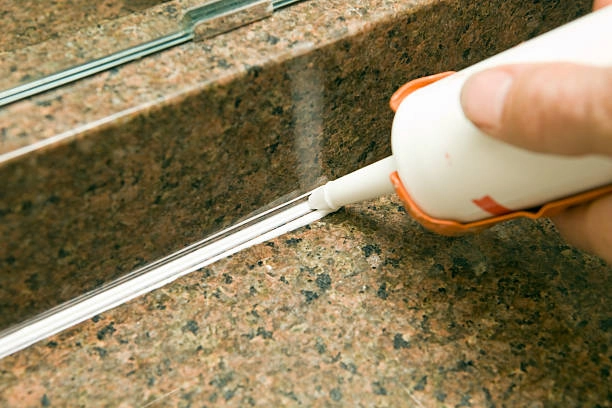
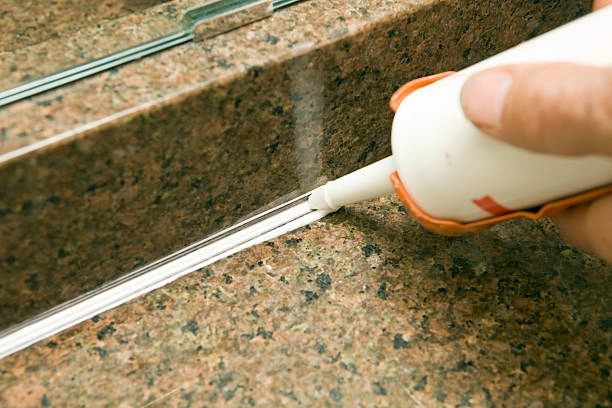
The construction industry faces heavy pressure today. Companies must remove toxic chemicals from everyday building materials. PFAS-free sealants stand at the center of this major change. These products provide clear safety benefits and meet strict green rules. At the same time, they keep their strong performance and long-lasting durability.
What Are PFAS and Why Are They a Concern?
PFAS—short for per- and polyfluoroalkyl substances—are man-made chemicals. Industries value them because they easily block heat, water, and oil. Companies use them in many different fields. You can find them in sealants and surface coatings. They also appear often in waterproof membranes.
However, these materials have a very tough structure. As a result, they stay in the environment for many years. Research shows that coming into contact with PFAS can cause health problems. For instance, it might harm the human immune system. In addition, these chemicals pollute soil and local water networks.
What Does “PFAS-Free” Mean for Sealant Products?
A “PFAS-free” tag means the sealant has no fluorinated ingredients linked to long-term pollution or health risks. These new mixes use smart polymer science to get the same grip, stretch, and weather protection without using bad additives.
This change offers several real-world perks:
- Regulatory alignment: Products follow current and future green laws.
- Market acceptance: Projects that use safe sealants attract clients who care about the environment.
- Performance assurance: Top-tier PFAS-free sealants keep their stretch and hold even in harsh weather.
Why Importers Should Pay Attention to PFAS-Free Regulations
Moving to PFAS-free materials is more than just a trend for the planet. It is a legal reality that is changing how goods move and how products get approved across the globe.
How Are Global Regulations Changing for Sealants?
In big markets like Europe and America, officials are setting tough caps on PFAS in factory goods. The European Chemicals Agency (ECHA) wants to limit thousands of PFAS types. In the US, many states have already stopped the use of PFAS in home and building products.
| Region | Regulatory Focus | Implementation Period |
| European Union | Comprehensive restriction proposal (ECHA) | 2025–2027 |
| United States | State-level bans (e.g., Maine, California) | 2024–2026 |
| Canada | National action plan under CEPA | Ongoing |
| Australia | Review of industrial chemical use | 2025 |
Importers must now expect more checks on paperwork and cargo. If a shipment has banned chemicals, it might be sent back or delayed, costing a lot of money. Staying ahead of these shifts makes business easier and keeps a company’s name clean.
What Should Importers Look for in a PFAS-Free Sealant Supplier?
Picking a partner is about more than just the lowest price. It is about making sure they follow the rules. Trustworthy makers should offer:
- Third-party testing reports that prove there is no PFAS inside.
- Certificates of analysis for every single batch made.
- Transparent traceability to show where all ingredients come from.
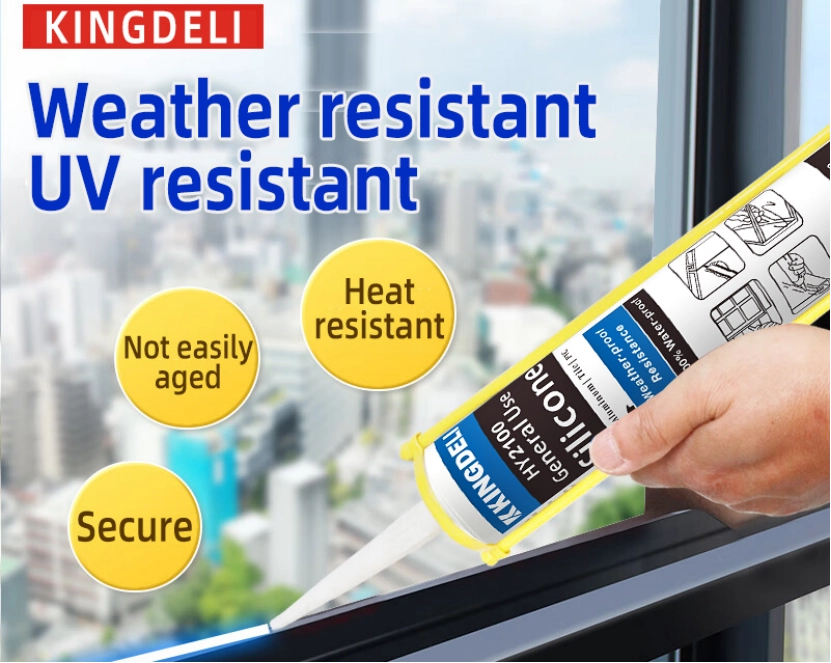
Steady quality is just as vital as having the right papers. A maker that keeps the same high standard in every batch lowers the risk for buyers who run many projects. Working with experts like KINGDELI gives extra peace of mind through clear testing steps and updates on global rules.
The Role of Contractors in Adopting Sustainable Sealants
When safe products arrive at the job site, contractors must make sure they are used correctly and wisely.
Why Should Contractors Switch to PFAS-Free Alternatives?
Using eco-friendly supplies shows you are responsible. It also meets the rising need for healthy living spaces. These sealants help earn points for green labels like LEED or BREEAM because they have fewer volatile organic compounds (VOCs) and no toxic fumes.
Other than following the law, these choices help in other ways:
- Green choices help build stronger bonds with customers.
- Jobs gain more respect when bidding for new work.
- New recipes work just as well as old ones if you use them right.
Making the switch does not mean losing quality. Many pros find that advanced green sealants work perfectly and last a very long time.
How to Identify High-Performance PFAS-Free Sealants on the Market?
Not every “green” sticker means the product is good. You should check the technical sheets carefully:
- Check for low-VOC proof from trusted groups.
- Look at grip tests on surfaces like stone, steel, glass, or plastic.
- See how it handles sun rays and heat changes.
- Ask for small samples to try out before buying a large amount.
Getting help from the maker can be a big plus. Advice on drying times or cleaning the surface ensures the product works well on the actual job, not just in a lab.
Key Benefits of Choosing Sustainable Sealants from KINGDELI
The push for a cleaner world has led makers to create new things quickly. Companies that care about safe science are setting new bars for both work quality and safety. KINGDELI puts a lot of work into research. We aim to cut out bad chemicals while making the sealant stick better and withstand the weather. Our own labs run tests that mimic years of being outside in the sun and rain. This ensures every batch is ready for tough building jobs before it leaves the factory.
Building Long-Term Value Through Responsible Material Choices
Every choice of material affects a building for years—from when it is built to when it is fixed or torn down. Picking green sealants lowers the environmental cost over time. It limits toxic waste and makes it easier to handle old materials later on.
New laws, new ideas, and a sense of duty are changing how we look at simple things like sealants. Those who move early—by choosing partners like KINGDELI who focus on safe, PFAS-free science—will be ready for the future. They will lead the way in a world that values trust, honesty, and high-quality results.
FAQ
Q1: What does “PFAS-free” mean in construction materials?
It means the item has no per- or polyfluoroalkyl substances that stay in the environment or cause harm.
Q2: Are PFAS-free sealants as durable as traditional ones?
Yes. Modern types work just as well or even better than old ones when used according to the instructions.
Q3: How can I verify if a sealant is truly PFAS-free?
Ask for lab test results or official papers that show no fluorinated chemicals were found in the product.
Q4: Do sustainable sealants cost more?
The price might be a bit higher at first, but they usually save money over time by lasting longer and avoiding legal trouble.
Q5: Why are governments restricting PFAS use?
These chemicals build up in nature and can hurt human health by getting into the water and the food chain.