
Private Label Sealant: What Importers Should Prepare Before Ordering
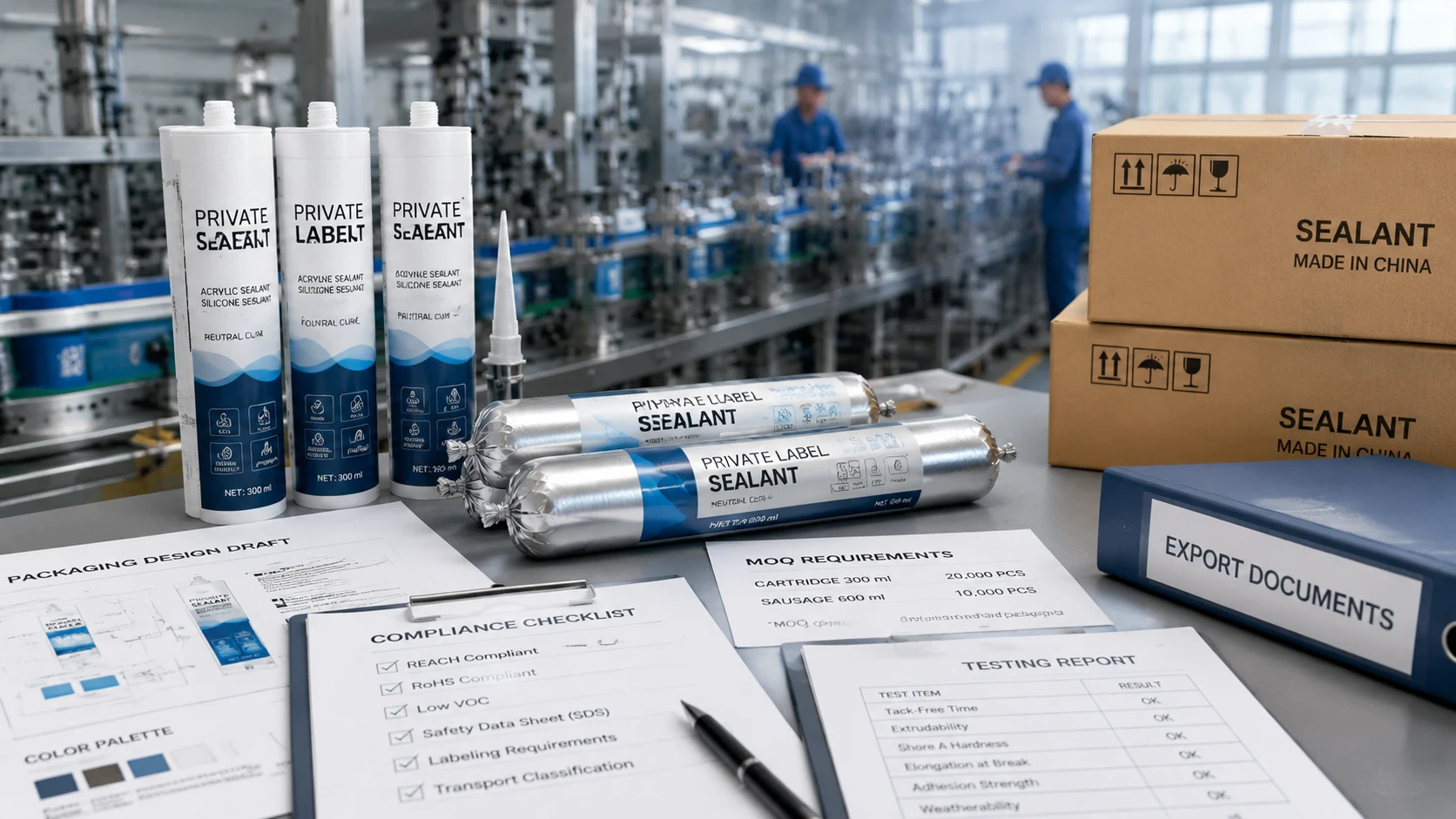
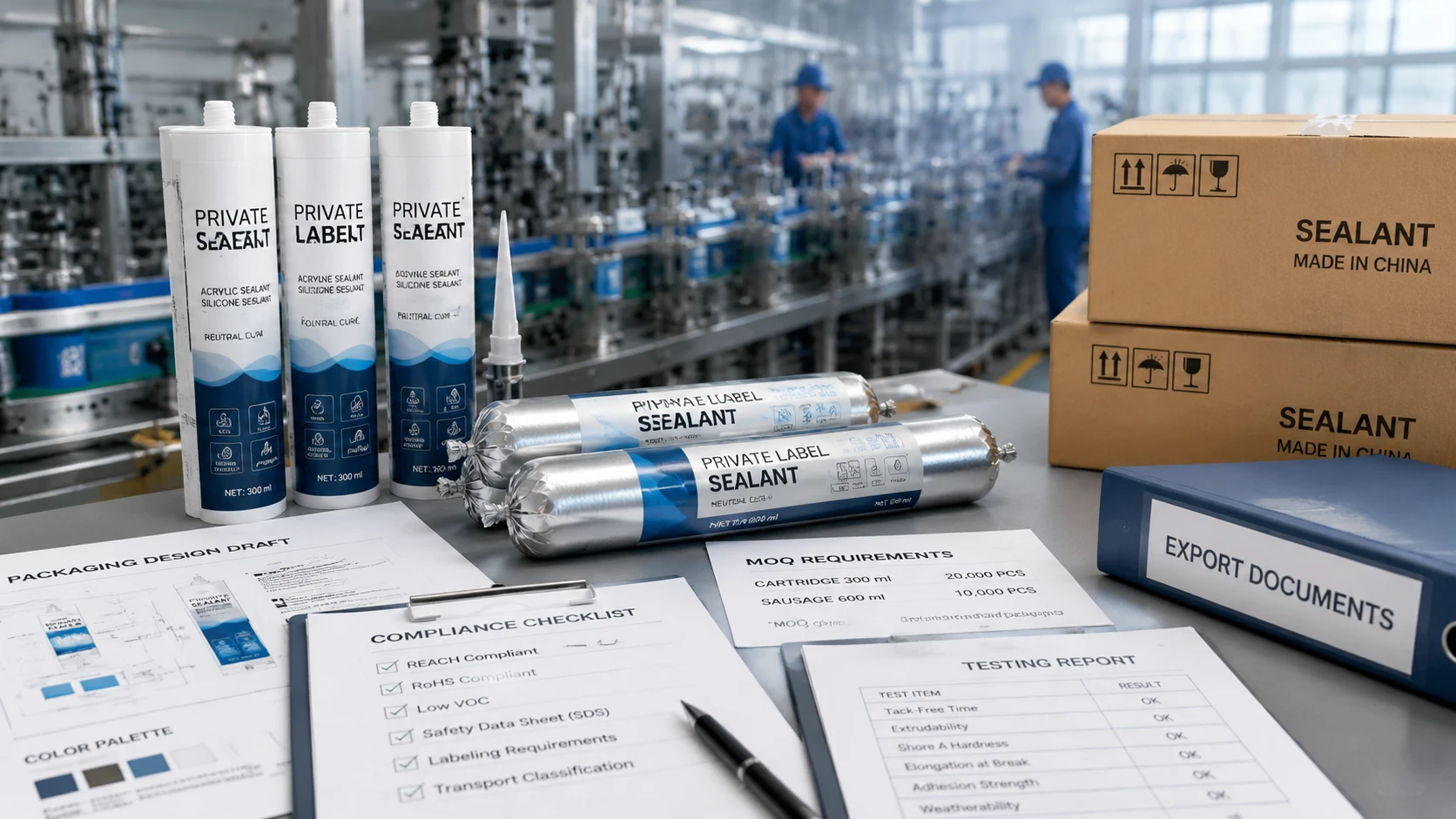
Private label sealants now play a key role for importers who want to build solid brand names in building and factory markets. Success depends on picking the correct mix. It also means knowing how to match tech needs, brand look, and rules with what the market wants. Good prep before you order helps importers get good profits and steady supply over time.
What Is a Private Label Sealant
A private label sealant is made by one firm but sold under another firm’s brand name. Unlike regular branded sealants that show the maker’s name, these let importers or distributors sell them as their own. This gives you control over the look, the price, and how you place the item in the market.
Importers gain several clear edges:
- Brand control: You choose the package design and the sales story.
- Pricing flexibility: You can set margins without going head to head with big global names.
- Market positioning: You can adjust the mix for local weather or trade needs.
Why Private Label Sealants Are Gaining Popularity
More buyers ask for materials made to fit local rules or looks. Shops also want items no one else carries. Manufacturers such as KINGDELI help here. KINGDELI runs a large sealant and adhesive plant in Foshan, China. It has over 200 staff and turns out 60,000 tons each year. That scale lets us handle many different private label jobs with ease.
Key Preparations Before Ordering Private Label Sealants
Once you decide to create your own label product, solid prep sets the stage for good results.
Defining Product Specifications and Market Requirements
Start by picking the right sealant type:
- Silicone (neutral or acetic) – strong against weather.
- Polyurethane – grips well on concrete or car parts.
- Acrylic – can be painted and is kind to the air.
- MS Polymer – blends stretch with low fumes.
Look at real performance too. Check bond strength, how much it can stretch (for example from -50 °C to +150 °C), how fast it sets, and how it holds up to sun or damp. HY-3300 Weatherproof Neutral Silicone Sealant keeps its strength from -50 °C to +200 °C once cured. These numbers help the product last in daily use.
Also make sure the mix meets local rules on fumes. Limits in Europe are not the same as those in North America. Think about smell and how safe it is for the user as well.
Establishing Branding and Packaging Requirements
The package is often the first thing buyers notice. Make labels that follow safety rules yet keep the same look across your line. Pick the size that fits how you sell:
| Packaging Type | Volume | Typical Use |
| Cartridge | 280–300 ml | Retail shelves |
| Sausage foil | 500–600 ml | Professional construction |
| Bulk drum | 190 L+ | Industrial use |
KINGDELI offers the 280 ml and 300 ml cartridge sizes plus the 500 ml and 600 ml foil packs. Shelf life reaches 12 months. Work with our design team to keep your brand style and still meet global packing rules.
Understanding Minimum Order Quantities (MOQ) and Production Timelines
MOQ shapes your cost. Bigger lots lower the price per piece but need more money up front. The whole process usually takes these steps: agree on the formula (1–2 weeks), approve the package art (2–3 weeks), make the goods (3–4 weeks), then ship. Plan these steps so stock arrives when building work peaks, such as in summer.
Evaluating a Reliable Sealant Supplier for Private Label Projects
The right plant partner decides if your brand can grow well.
Key Criteria When Selecting a Sealant Manufacturer
Check technical skill first. Good research teams can change thickness, cure speed, or color. Certificates such as ISO9001 or SGS show solid quality systems. KINGDELI’s plant holds ISO, CE, TUV SÜD, RoHS, and CNAS marks. These show every batch meets set standards before it leaves. Export know-how also helps with customs papers and smooth clearance.
The Importance of Communication and Technical Support
Clear talk cuts delays and stops mix-ups while you shape the formula. Good suppliers give advice before the sale. They can point you to the right grade for glass walls or car panels. After the sale they keep quality steady from batch to batch. Open talk about raw goods and test results builds trust for future work together.
Quality Assurance and Compliance Considerations
Strong checks protect your name and keep end users safe.
Testing Standards Importers Should Verify
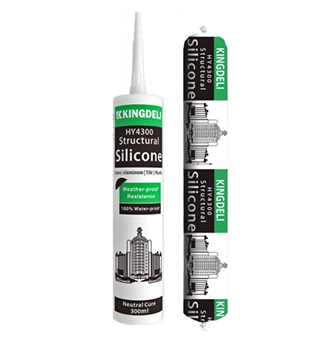
Ask for proof under ASTM C920 or EN rules. Third-party tests add weight to your claims. HY-4300 Structural Silicone Sealant passed GB16776-2005 and shows strong bonds from -50 °C to +250 °C. KINGDELI runs its own lab tests on every run to keep results the same.
Regulatory Compliance Across Different Markets
Each area has its own chemical rules. Europe wants REACH papers. California sets tight VOC caps. Use GHS labels everywhere. Keep Safety Data Sheets ready in the local language. Good files stop holds at the port and let you trace any later issue.
Cost Factors Affecting Private Label Sealant Orders
Clear prices help you plan spend.
Components That Influence Pricing Structure
Main cost parts are these:
- Raw materials: Silicone base costs more than acrylic base.
- Packaging customization: Extra print colors or logos add setup fees.
- Freight & tariffs: Rate swings can change final landed cost.
MS polymer glues often cost more because of newer resin tech, yet they give better results. HY-993 High Strength MS Polymer Sealant bonds to most surfaces without primer and keeps fumes low.
Strategies to Optimize Budget Without Compromising Quality
Ask for price breaks on larger lots. Some suppliers give better rates for repeat orders over a year. Use a standard mix with small tweaks. This cuts research cost while still giving solid performance. Close work with skilled plants helps you hit the right balance between cost and quality.
Building a Long-Term Partnership With Your Sealant Supplier
Steady work with one plant helps both sides.
Benefits of Consistent Collaboration With an Experienced Manufacturer
Once specs are set, reorders move faster because package files already exist. Joint work can bring new items such as low-fume hybrids made for local weather. Long ties also steady supply. That matters when you run many building jobs that need goods on time.
How KINGDELI Supports Private Label Success for Importers
KINGDELI started in 1998 and has stayed in the adhesive and sealant field since then. It combines research with big-scale making on a 66,000 square meter site. Its OEM help covers formula changes, package design aid, test support, and world shipping help. All of this meets rules such as ASTM C920 or GB/T14683-2017.
FAQs
Q1: What is the typical MOQ for private label sealants?
It changes with the mix but often starts at a few thousand cartridges when you want custom packs.
Q2: How long does it take from order confirmation to shipment?
Most orders need six to eight weeks. That covers formula sign-off, package making, production, and checks.
Q3: Can I request customized colors for my private label sealant?
Yes. Neutral silicone types come in clear, black, grey, white, and other shades on request.
Q4: Which certifications should I check before importing?
Look for ISO9001 plus CE marks or ASTM proof that fit your sales area.
Q5: What types of sealants are best suited for hot climates?
Neutral silicone or MS polymer mixes work well. They handle heat up to +200 °C after cure and pass tests like ASTM C920-18.