
RTV Silicone vs. Regular Silicone Sealant: What Is the Difference?
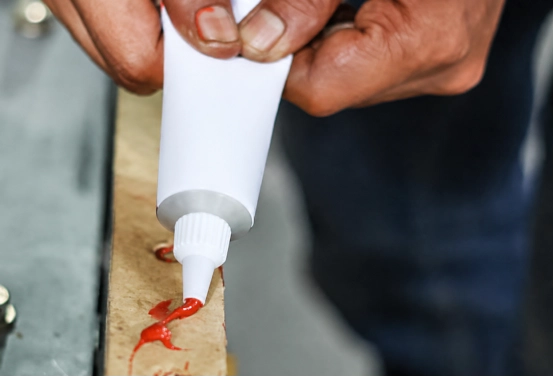
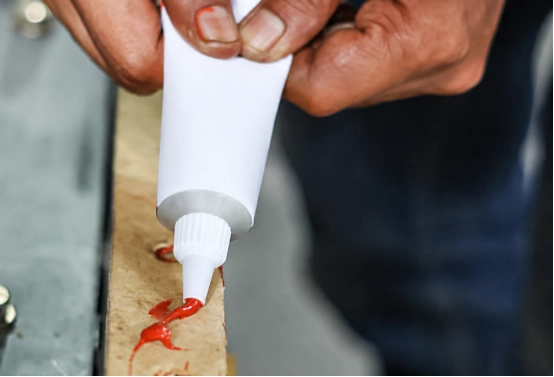
RTV silicone and regular silicone sealant can look almost identical. Both cure into flexible rubber and can block water, air, dust, and vibration.
That similarity causes bad product choices.
In the trade RTV silicone usually means a gasket maker for engines and machinery. Regular silicone sealant usually means a product for glass. It works on sanitary fixtures and construction joints. The chemistry may be related, but the service conditions are not. A shower joint does not face hot engine oil.
What Is RTV Silicone?
RTV covers many silicone materials. In a workshop the term often means a form in place gasket maker.
What Does RTV Mean?
RTV stands for room temperature vulcanizing. Most one component RTV products react with moisture in the air and cure from the surface inward without an oven.
RTV may use neutral cure or acetoxy cure chemistry. Neutral cure RTV generally has lower odor and is less likely to corrode sensitive metals. Acetoxy RTV releases an acidic by-product, producing the familiar vinegar like smell.
The letters “RTV” do not guarantee high temperature resistance, oil resistance, or sensor safety. Those properties depend on the formulation.
Common RTV Silicone Applications
RTV gasket makers are used on valve covers. They work on oil pans. They fit timing covers. They go on water pumps. They suit thermostat housings. They seal transmission pans. They work on gearboxes. They fit machinery joints.
A stamped steel oil pan may have slight flange distortion. Suitable RTV fills narrow leak paths. It stays flexible as the assembly heats. It stays flexible as the assembly cools. It handles vibration.
What Is Regular Silicone Sealant?
Regular silicone sealant is a market term. It is not a strict chemical classification. Here it means one component silicone for construction. It works for glazing. It fits interior finishing and sanitary sealing.
These products are chosen for joint movement. They handle weather exposure. They resist moisture. They offer adhesion and clean tooling. Their working environment is normally open and visible rather than compressed between engine flanges.
Typical applications include windows. They include doors and glass panels. They fit aluminum frames. They work on sinks. They seal shower enclosures and tiles. They fill building gaps. Sanitary silicone may focus on mold resistance. Glazing grades focus on glass and aluminum adhesion.
RTV Silicone vs. Regular Silicone Sealant: Key Differences
The distinction becomes clearer when the products are compared by service conditions rather than appearance.
| Feature | RTV Silicone Gasket Maker | Regular Silicone Sealant |
| Primary purpose | Mechanical gaskets | Construction and sanitary joints |
| Main exposure | Heat, oil, coolant, vibration | Water, weather, UV, movement |
| Typical substrates | Engine metals, machine parts | Glass, aluminum, tile, concrete |
| Selection basis | Temperature, fluids, sensor safety | Substrate, movement, mold resistance |
1. Intended Application
RTV gasket maker is selected for mechanical joints. It fills flange irregularities, replaces certain cut gaskets, or supports an existing gasket. It often cures while compressed between mating surfaces.
Regular silicone sealant is usually applied as an exposed bead. The joint may move as a window frame expands, a façade panel shifts, or a bathtub flexes under load.
Bathroom silicone on an engine flange is poor practice. Automotive RTV around a curtain wall joint is not much better. It may stick for a while, but temporary adhesion is not a specification.
2. Heat and Fluid Resistance
Automotive RTV is often formulated for heat cycles and contact with oil, coolant, or transmission fluid. Construction silicone usually focuses on water resistance, UV exposure, weathering, and movement.
Not every RTV handles more heat than every regular silicone. Check the technical data sheet for continuous temperature, chemical exposure, curing depth, and immersion limits. A red color or “high temp” label is not enough.
Many gasket failures blamed on silicone come from oily flanges, oversized beads, or fluid exposure before full curing. Surface preparation and assembly timing can be less forgiving than the material itself.
3. Cure Type and Material Compatibility
Both product groups may use neutral or acetoxy cure systems.
Neutral cure products are often preferred around sensitive metals and electronics. Acetoxy products work well on compatible surfaces but may not suit copper, some metals, cement based materials, or sensitive components.
Automotive work adds sensor safety. When oxygen sensors or electronic engine controls are involved, “sensor safe” should be confirmed in the documentation.
Adhesion testing is sensible on coated metals, plastics, stone, and unfamiliar surfaces. Durable silicone still fails when applied over oil, dust, release agents, or weak coatings.
Which Silicone Product Should You Choose?
Four questions usually settle the decision: What is being sealed? What will contact the cured material? What temperature will it see? Will the joint remain exposed or be clamped?
Choose an RTV Gasket Maker When:
Use an RTV gasket maker for oil pans, valve covers, timing covers, thermostat housings, transmission pans, pumps, and machinery flanges. It suits form in place gaskets exposed to vibration, heat cycling, and specified automotive fluids.
Clean the flange and remove old gasket material. Apply a controlled bead. More material is not safer; excess RTV can squeeze inward and break loose inside the assembly.
Choose a Regular Silicone Sealant When:
Use a regular silicone sealant for windows, doors, glass, aluminum frames, sanitary fixtures, decorative joints, and weather exposed building gaps.
Match the grade to the job. Wet areas may need mold resistance. Exterior joints need UV and weather resistance. Natural stone may require a non-staining formulation. Structural glazing requires an approved structural sealant, not a general purpose cartridge with similar packaging.
Can RTV Silicone Replace Regular Silicone Sealant?
RTV silicone may close an ordinary gap, but it should not automatically replace a construction or sanitary sealant.
An automotive gasket maker may lack the movement rating, anti-mold performance, glazing compatibility, tooling behavior, or construction approvals required for a building joint.
The reverse substitution is riskier. General building silicone should not be used inside an engine or gearbox unless the manufacturer confirms the required temperature, fluid resistance, and mechanical conditions.
Compatibility beats convenience. The nearest tube on the shelf is often the wrong one.
Choosing the Right KINGDELI Silicone Solution
- HY-939 Neutral RTV Gasket Makerprovides low odor. It offers non corrosive curing.
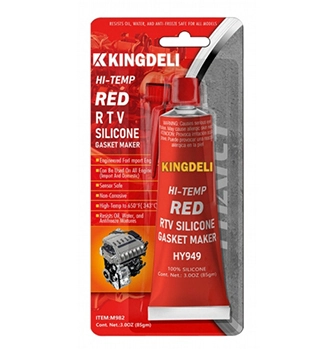
- HY-949 Acetic RTV Gasket Makeris intended for gasket forming and reinforcement. Selection still depends on the metal, fluid, temperature, and assembly procedure.
- HY-2100 General Use Neutral Silicone Sealantsuits many common building materials.
- HY-722 Sanitary Silicone Sealantis aimed at kitchens, showers, bathtubs, and sinks.
Conclusion
A useful recommendation requires the substrate, operating temperature, fluid contact, joint dimensions, expected movement, cure preference, color, and packaging requirement.
For distributors, contractors, and OEM buyers testing under actual service conditions is worthwhile. A bead that performs well on clean aluminum may behave differently on painted steel. It may change on cast iron. It can vary on oily flanges or porous stone.
RTV gasket maker belongs on mechanical flanges exposed to heat, fluids, and vibration. Regular silicone sealant belongs on construction, glazing, and sanitary joints.
The words printed on the front of the tube help, but they are not the specification. Match the formulation to the real operating conditions, then verify the technical data before application.
Contact KINGDELI with your substrate, operating temperature and exposure conditions to identify a suitable silicone formulation for your application.
Frequently Asked Questions
Q: Is RTV Silicone the Same as Silicone Sealant?
RTV describes silicone that vulcanizes at room temperature. Many ordinary silicone sealants are technically RTV materials. In trade usage, “RTV silicone” usually means an automotive or industrial gasket maker, while “silicone sealant” means a construction, glazing, or sanitary product.
Q: Can Regular Silicone Sealant Be Used on an Engine?
Only when the manufacturer confirms suitable heat resistance, fluid resistance, sensor compatibility, and gasket forming performance. General purpose construction silicone is rarely the right choice for an engine flange.
Q: Is RTV Silicone Waterproof?
Most cured RTV silicones resist water, but waterproof does not mean resistant to every fluid or suitable for permanent immersion. Oil, fuel, coolant, transmission fluid, and chemicals require separate confirmation.
Q: Does RTV Silicone Color Indicate Its Performance?
Not reliably. Red often suggests high temperature use, black is common in automotive work, and grey may be marketed for rigid flanges, but color conventions vary. Select by documented performance, not pigment.