
Structural Glazing Silicone vs Weatherproof Silicone: Key Differences Explained
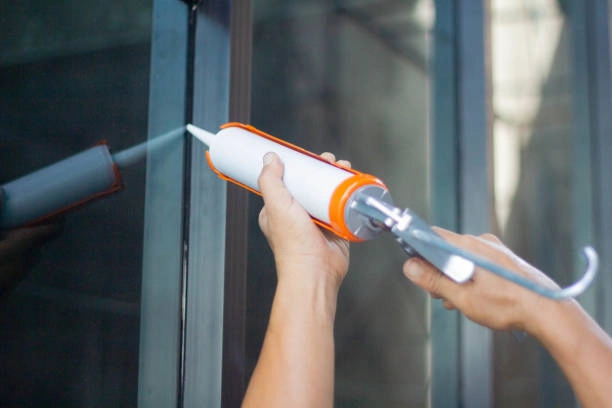
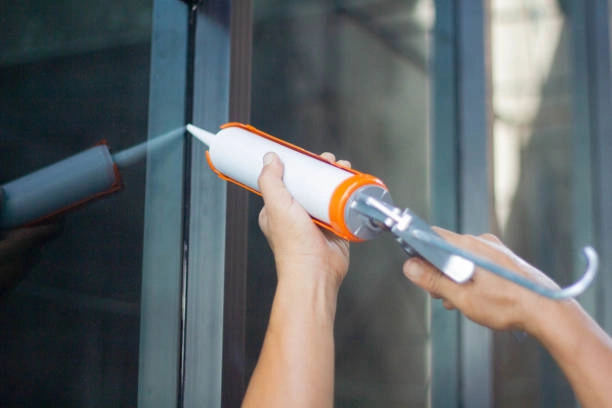
Today’s construction projects depend a lot on silicone sealants. These products keep structures safe and dry. They also help create a smooth, clean look. Many builders often face a major question during their work. They must decide whether to use structural glazing silicone or weatherproof silicone.
What Are Silicone Sealants Used For in Building Applications?
They are used around windows, curtain walls, and expansion joints. These products feature excellent elasticity. This flexibility helps them handle physical shifts from temperature changes.
- Structural applications: These involve bonding glass panels securely to metal frames.
- Weatherproofing: This process seals exterior joints to stop rain and UV damage.
- Interior finishing: These products fill gaps around kitchen tiles or bathroom countertops.
Picking the right formula ensures that the adhesive stays flexible. It also helps maintain strong bonding power as the years pass.
Why Choosing the Right Type of Silicone Matters
If you mix these two up, the panels might detach or start leaking. Structural silicones cure into tough, high-modulus materials with a firm grip. Weatherproof versions stay softer and more flexible. They focus on moving with the building rather than holding weight. It is wise to talk to a professional to match the right product grade with your specific project needs.
Structural Glazing Silicone: Designed for Strength and Stability
Structural glazing silicones changed how we build modern skyscrapers.
What Is Structural Glazing Silicone?
This elastic glue is made specifically for structural bonding. Its main job is vital: it sticks glass directly to metal frames in curtain wall systems. This removes the need for bulky metal fasteners. The result is a sleek look that can handle high wind pressure and ground shakes.
Key performance traits include:
- Strong tensile power for heavy lifting.
- Great resistance to UV rays and ozone.
- A lasting bond between glass and aluminum surfaces.
These features help curtain walls stay stable for many decades. They perform well even when the environment is constantly harsh.
When Should You Use Structural Silicone Sealant?
Standard rules like GB 16776-2005 or ASTM C1184 guide their use. You should use structural glazing silicones whenever glass panels need to support part of the building’s weight. They are also necessary to fight external forces like wind suction. These sealants bond well with aluminum alloys and stainless steel. They also work with stone panels or coated glass.
Weatherproof Silicone: Protection Against the Elements
After the structural bonding is finished, the next step is keeping the water out. This is where weatherproof silicone does its best work.
What Is Weatherproof Silicone Sealant Used For?
Builders mostly apply weather-resistant sealant to close curtain wall joints. This step keeps the curtain wall fully airtight. It also makes the structure completely watertight. These products stop rain from leaking inside the building.
Furthermore, they adjust to physical movement. Such movement usually comes from heat expansion or normal ground settlement. The sealants hold up well against wet and dry cycles. They also fight off aging caused by direct sunlight. In addition, they manage major temperature shifts.
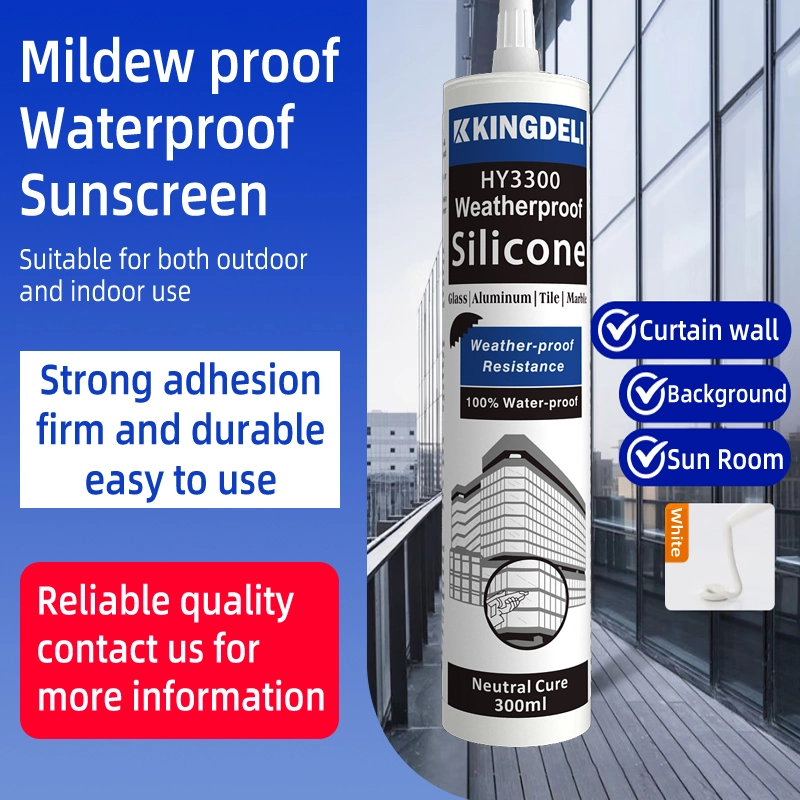
For instance, HY-3300 Weatherproof Neutral Silicone Sealant is a high-modulus, one-component product. It is shelf-stable and cures at room temperature. This architectural grade sealant has excellent physical traits for big construction jobs. It stays durable and bendable even after being outside for a long time.
How Does Weatherproof Silicone Differ from Structural Types?
Structural silicones carry weight, while weatherproof ones handle stretching. One focuses on mechanical power, and the other focuses on flexibility.
| Property | Structural Glazing Silicone | Weatherproof Silicone |
| Modulus | High (for load-bearing) | Medium/low (for movement) |
| Primary Function | Bonding glass and metal | Sealing exterior gaps |
| Curing System | Neutral cure | Neutral or acetic cure |
| Temperature Range | -50 °C to +250 °C | -50 °C to +200 °C |
| Typical Standard | GB 16776-2005 | JC/T882-2001 / ASTM C920 |
Weatherproof formulas are designed to move by 25% to 50% without breaking. They are not meant to hold up heavy glass panels on their own.
Comparing Structural Glazing Silicone vs Weatherproof Silicone
Knowing these differences prevents mistakes on the job site.
Composition Variations
Structural silicones use special polymers built for high tension. Once they cure, they turn into a tough rubber that spreads weight evenly. Weatherproof silicones are made to be elastic. This allows them to stretch and shrink many times as the seasons change without losing their grip.
Application Techniques
Accuracy is very important during structural glazing. The thickness of the glue line changes how stress is shared across the glass. Because of this, these jobs often happen in a factory using precise machines. Weatherproofing is a bit easier to handle.
Longevity and Maintenance Needs
Both options deliver an extended service life when applied correctly. Structural silicone can last for many decades. It needs almost no maintenance. This is because the material remains protected inside the facade cavities. Weatherproof silicone faces direct sunlight and outdoor pollution daily. As a result, you should inspect it every few years.
How to Choose Between Structural Glazing and Weatherproof Silicone Sealants
The design of your building tells you which one to pick. Use structural grades for bonds that hold weight. Use weatherproof grades for protecting the outer edges.
What Factors Should Influence Your Selection?
Think about these points before you buy:
- Substrate material: Glass-to-metal bonds need neutral-cure structural types. Porous stone or brick works better with flexible weatherproof types.
- Weather exposure: If the area gets very hot, look for high-performance formulas rated up to +250 °C.
- Compliance: Check that the product meets ASTM C920 or similar global rules.
- Manufacturer support: KINGDELI offers expert advice based on your building’s shape and local weather. They use CNAS-certified labs to test their products.
Common Questions Buyers Ask About Silicone Sealants
Which Sealant Offers Better Adhesion for Glass Facades?
Structural glazing silicone is the winner here. It is made specifically to keep glass stuck to aluminum even when the building moves or the wind blows hard.
Can One Type Be Used for Both Structural Bonding and Waterproofing?
No. Each one has a specific mechanical job. If you try to use one for both, the bond might break or the joint might leak.
How Do Temperature or Humidity Affect Curing Performance?
Both systems need moisture from the air to dry. If the air is too dry, they cure slowly. If it is very humid, they dry faster on the surface, but bubbles might get trapped inside if the layer is too thick.
Why Partner with KINGDELI
The R&D team at KINGDELI ensures top quality for every product. All products pass national tests like GB/T14683-2017 or ASTM C920-18. The company can also create custom mixes for difficult building designs or unusual materials.
Our technical experts help customers through every step, from choosing the sealant to applying it correctly. We follow strict ISO certified quality rules. These are also backed by CE and TÜV certifications. By using advanced silicone technology, KINGDELI helps create safer, longer-lasting buildings that meet modern green construction goals.
FAQs
Q1: What is the difference between neutral cure and acetic cure silicone?
Neutral cure gives off a bit of alcohol as it dries and is safe for metal. Acetic cure smells like vinegar and can damage materials like concrete or copper.
Q2: How long does structural glazing silicone take to fully cure?
It usually takes 7 to 14 days to dry completely at room temperature, depending on the humidity.
Q3: Can weatherproof sealants be painted over?
Most pure silicones do not take paint well. If you need to paint the joints, you should look for acrylic-based options instead.
Q4: How often should façade joints be inspected?
Checking them every 3 to 5 years is a smart way to catch cracks or peeling early.
Q5: Are all-weather silicones suitable for marine environments?
You should only use products specifically rated for salt-spray resistance if your building is near the ocean.