
White Oil in Silicone Sealant: What Building Buyers Should Know
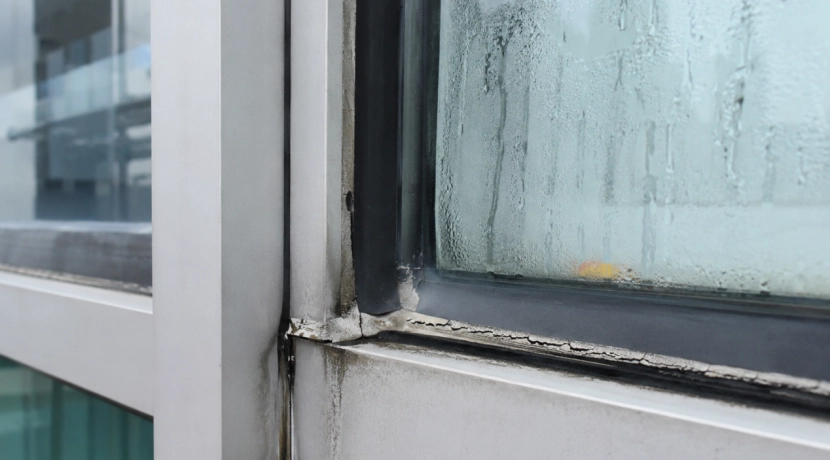
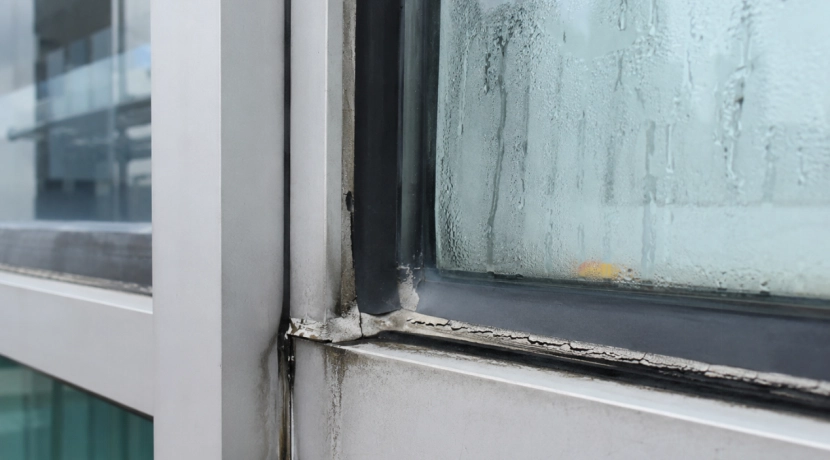
Initially, the silicone sealant appears perfectly fine. The applied joints feel smooth. The material stretchiness seems good enough. Plus, the upfront cost is highly appealing. However, physical changes happen as time passes. Certain buildings start to suffer from hardened or cracked seals. You might notice foggy windows or trapped condensation.
Sometimes, oily residue leaks out from the gaps. Water can even pool inside the insulated glass units. A major reason for these defects involves the raw materials. Specifically, the formulation might contain white oil or alkane plasticizers inside the silicone sealant.
Do Not Judge Sealant Only by Initial Appearance
Some low-grade sealants may look acceptable at the beginning. They may feel soft, easy to apply, and low in cost. But early appearance does not fully show long-term performance.
A buyer should not only ask, “Is this sealant easy to use today?”
A better question is:
Will this sealant still perform after one year, three years, or longer in a real window or glass joint?
This is where formula stability becomes important. If a sealant contains unstable plasticizing components, such as white oil in some silicone sealant formulas, the risk may not appear immediately. It may appear later through hardening, shrinkage, cracking, or loss of adhesion.
What Is White Oil in Silicone Sealant?
White oil is sometimes added into sealant formulas as a low-cost plasticizing component. It may make the sealant look softer or easier to process at the beginning. However, it is not the same as the silicone polymer system. Over time, it may migrate out of the sealant body.
The problem is not always visible during installation. The real risk appears after aging, weather exposure, heat, UV, and long-term contact with glass, aluminum, stone, concrete, or other building materials.
Why White Oil Can Cause Sealant Failure
White oil has poor compatibility with the silicone system. It can migrate from the sealant over time. After migration, the sealant becomes harder and less elastic. Once elasticity is lost, the joint can no longer absorb movement properly.
What Long-Term Test Data Shows
A 50 year extreme testing study report reveals a significant difference between sealants containing white oil and those without volatile plasticizers. Sealants containing white oil begin to harden after approximately six months. After two years, their hardness increases dramatically, reaching around 70.
Their elongation also declines rapidly in the first two years, with some areas showing signs of delamination. In contrast, sealants without white oil change slowly. Even after ten years, their hardness remains below 60, and their elongation remains above 100%.
Why This Matters for Windows, Curtain Walls, and Glass Joints
Construction teams regularly apply silicone sealant in many building projects. They put it around glass, aluminum frames, and curtain walls. It also covers windows, doors, concrete joints, waterproofing zones, and various building materials. These connected parts face daily temperature shifts. They must handle direct sunlight, rain, and strong wind pressure. Furthermore, normal building movement affects them continuously.
Sometimes, the sealant turns hard. It can lose its natural elasticity over time. When this happens, the joint might fail to close tightly. This creates specific problems for insulated glass systems. Migrated oil can harm the nearby sealing materials. Consequently, this causes unwanted condensation or oil bleeding. It might even create a rainbow film or cause water accumulation inside the structure. A failed sealant is rarely just a small surface problem. In many cases, it affects the whole sealing system.
How to Choose Long-Lasting Sealant for Windows and Glass Joints
Suggested buyer checklist.
1. Do Not Choose Sealant by Price Only
A lower price may mean a cheaper formula. You should compare performance, application suitability, technical documents, and supplier reliability, not only unit cost.
2. Ask for Technical Documents
You can ask suppliers for TDS, MSDS, test reports, curing information, application range, movement capability, shelf life, and storage instructions.
3. Match the Sealant to the Application
Glass glazing, window joints, concrete sealing, waterproofing, stone bonding, metal bonding, and general construction use may require different sealant types. One product should not be used blindly for every project.
For window and glass applications, you often need to consider silicone sealant, neutral silicone sealant, construction sealant, or other adhesive products based on the substrate and project requirements.
4. Pay Attention to Long-Term Elasticity
A good sealant should not become hard too quickly. Long-term elasticity allows the joint to move with temperature changes and building movement. This is especially important for aluminum windows, glass curtain walls, and insulated glass systems.
5. Check Material Compatibility
Before large-scale use, you should test sealant compatibility with glass, aluminum, stone, coating, concrete, plastic, rubber strips, spacer materials, and other contact materials.
6. Work With a Manufacturer That Understands Formulation and Export Requirements
A stable manufacturer can help you with preparations such as product selection, packaging, colors, private labeling, documentation, and shipping requirements.
How KINGDELI Supports Building Sealant Buyers
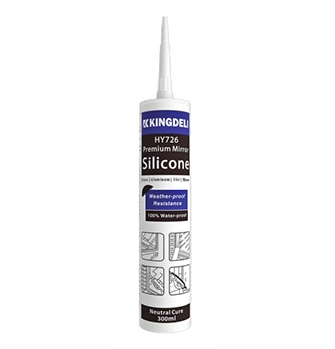
KINGDELI is an expert manufacturer. We focus closely on sealants and adhesives. Our factory supplies items for building sealing and waterproofing. We also provide solutions for vibration resistance and daily bonding tasks. For all these projects, you must pick items based on actual site conditions.
KINGDELI is ready to support you. You may be sourcing silicone sealants or adhesives for your project. Contact us to discuss the substrate and joint locations, and consider local climate conditions and specific bonding requirements.
Conclusion
Adding white oil to silicone sealant might seem like a minor recipe tweak. However, this choice often creates major issues for construction jobs over time. The sealant eventually gets hard. It might also crack, shrink, or fail to stick. When these failures happen, fixing the damage costs far more money than what you saved on cheaper materials at the start.
Therefore, you should take a safer route. Pick your sealants by looking at their chemical stability. Make sure they stay flexible for years. Also, check their compatibility with other building parts and rely on good supplier support.
FAQ
Q: Is white oil in silicone sealant always visible?
A: No. In many cases, the sealant may look normal during installation. Problems usually appear after aging, weather exposure, and long-term use.
Q: Why does sealant with white oil crack more easily?
A: After white oil migrates or evaporates, the sealant may shrink, harden, and lose elasticity. Once the joint moves, the hardened sealant is more likely to crack or debond.
Q: What should buyers check before ordering construction sealant?
A: Buyers should check application type, substrate compatibility, technical documents, curing performance, movement requirement, storage conditions, and supplier manufacturing capability.
Q: Can one sealant be used for all building materials?
A: Not always. Glass, aluminum, concrete, stone, metal, plastic, and waterproof joints may require different sealant or adhesive products. It is better to confirm the application before ordering.