
Which Sealant Is Best for Roof Joints and Exterior Construction?
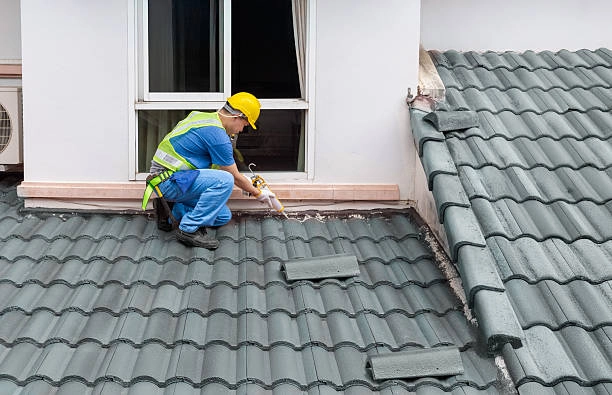
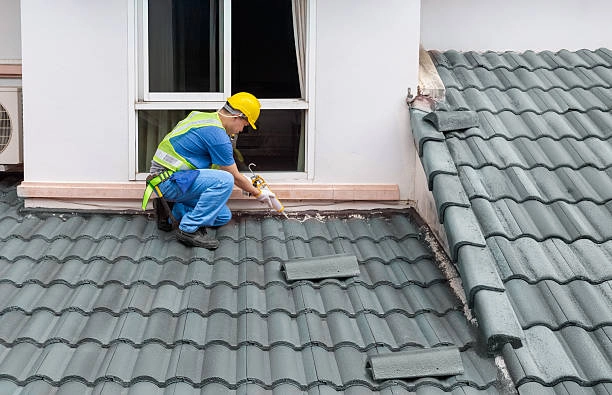
Several things can damage roof seals. Rain is one of them. Strong sunlight is another. Shifts in temperature create stress. Constant movement adds even more strain.
Workers pick from three common choices for outside jobs. These choices include silicone. They also include polyurethane. MS polymer sealants form the third group. The correct pick depends on the surfaces. It depends on the amount of movement. Weather conditions matter too. You also need to check if paint will work on the joint.
What Makes a Good Sealant for Roof Joints?
A roof sealant needs to do more than stop water. It must hold firm. The materials next to it will shift over time. They will also face years of weather.
Waterproofing Performance
Water often gets in around flashing. It enters near gutters and skylights. Panel overlaps are another common spot. A steady bead that sticks well matters more than a thick one.
UV and Weather Resistance
Joints on the outside receive direct sun. They face rain and heat. Cold weather hits them as well. The sealant must avoid cracks. It should not harden. Loss of stickiness must stay low.
Flexibility and Joint Movement
Metal panels expand with heat. They contract when it gets cold. Concrete sections move in similar ways. A stiff seal may look fine at first. It can split apart months later.
Adhesion to Construction Materials
Roof and façade details mix many surfaces. Aluminum appears often. Painted steel is common. Glass, concrete, brick, and composite panels show up too. Tests on the actual surfaces help. Coated metals need extra checks. Porous concrete and treated areas require care as well.
Silicone vs. Polyurethane vs. MS Polymer Sealant
All three types can serve outside areas. Each one has different strengths.
Silicone Sealant — Best for UV and Weather Resistance
Silicone often gives safe results on exposed roof joints. A solid neutral silicone provides strong protection from sun. It stays flexible for years. Weather does not break it down quickly. Builders use it around flashing. They apply it to gutters and skylights. Glazing jobs and metal roofing also benefit from it. A warehouse roof may sit under direct sun for a long time. Daily temperature swings hit it hard. Silicone manages these conditions well.
Paintability creates one limit. Normal silicone usually does not suit jobs where the joint must receive paint later.
Polyurethane Sealant — Best for High Movement Construction Joints
Polyurethane sealants see wide use on concrete. They work well in façade areas. Expansion joints receive them often. Strong stickiness and solid mechanical performance drive the choice. These sealants cure to a harder surface than silicone.
A concrete expansion joint near a roof parapet may face movement, water, and mechanical contact. Polyurethane is often a practical fit. For exposed areas, UV resistance should still be checked in the technical data because formulations vary.
MS Polymer Sealant — Best for Versatility and Multi-Material Bonding
MS polymer sealants combine sealing and bonding performance. They offer good flexibility, weather resistance, and adhesion to many materials. Many formulations are paintable, useful for façade panels and mixed material details. When metal, masonry, and composite panels meet in one joint, MS polymer is often a convenient option.
Which Sealant Should You Use for Different Roof and Exterior Applications?
The application usually makes the choice clearer.
| Application | Recommended Sealant | Main Reason |
| Metal roof joints | Neutral silicone / MS polymer | UV and weather resistance |
| Roof flashing | Weatherproof silicone | Waterproofing and flexibility |
| Gutters | Neutral silicone | Weather exposure |
| Concrete expansion joints | Polyurethane | Movement and adhesion |
| Exterior façade joints | Silicone / MS polymer | Weather resistance |
| Mixed material joints | MS polymer | Multi-surface adhesion |
| Paintable exterior joints | MS polymer / suitable polyurethane | Paintability |
For permanently exposed roof joints, neutral weatherproof silicone is often the best general option. Polyurethane suits many high movement joints. MS polymer works well where multiple substrates and paintability matter.
How to Choose the Best Exterior Sealant for Your Project
The chemical base of the product is important. Site conditions decide the final selection.
Check the Substrate
The word metal covers many types. Bare aluminum behaves one way. Galvanized steel acts differently. Painted steel and powder coated panels each bring their own traits. Concrete needs inspection for dust. Moisture levels should receive attention. Curing compounds can affect results.
Consider Joint Movement
A fixed gap differs from an expansion joint. When movement is likely the product data sheet should show the movement rating. Proper joint shape improves performance. A bigger bead does not always raise the movement limit.
Evaluate Weather Exposure
A covered façade seam and an open roof joint may use similar materials. Their sun and water exposure levels differ greatly.
Check Paintability Requirements
Some sealed areas must receive paint. The product must support this step. MS polymer or a suitable polyurethane often meets the need better than standard silicone.
Follow the Manufacturer’s Technical Data
Product labels alone do not give the full picture. Service temperature needs review. Curing conditions matter. Movement ratings should match the job. Surface compatibility must fit. Weather performance data helps avoid problems.
KINGDELI Sealant Solutions for Roof and Exterior Construction
KINGDELI produces silicone, polyurethane, and MS polymer sealants. These products serve construction, waterproofing, and bonding tasks. Different joints require different formulas.
Weather Exposed Roof Joints
Flashing, gutters, skylights, and similar spots stay under direct weather.
KINGDELI HY-3300 Weatherproof Neutral Silicone Sealant offers a solid choice. It delivers the UV protection and flexibility these areas require.
Heavy Duty Construction Joints
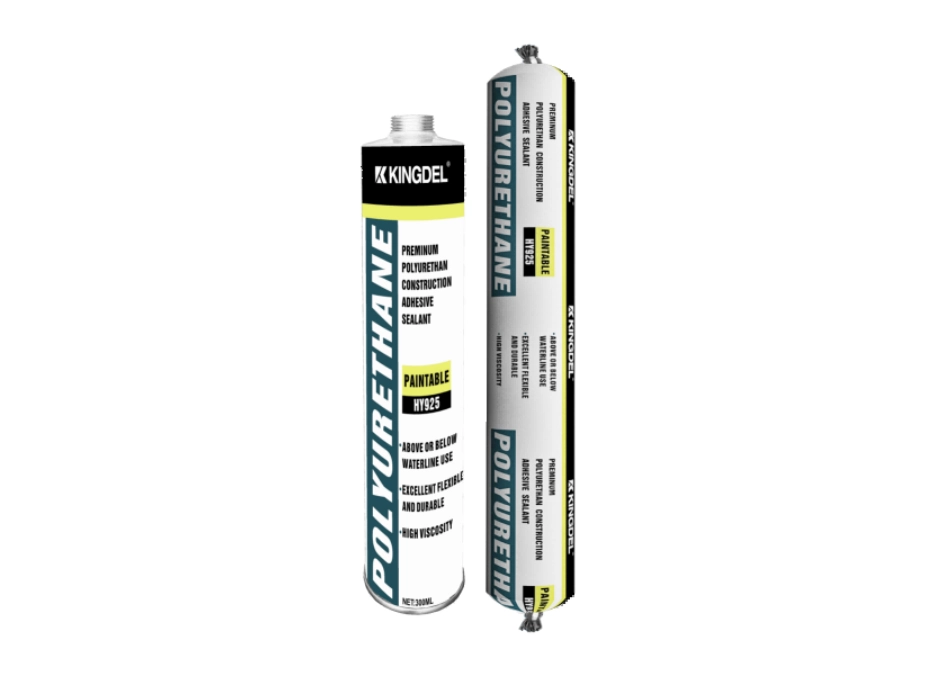
KINGDELI HY-925 Polyurethane Sealant for Construction is a one component moisture curing product developed for bonding and sealing in building applications. It suits joints where strong bonding, flexibility, and mechanical performance are key requirements.
Multi-Material Sealing and Bonding
KINGDELI MS polymer sealants are useful where several substrates are involved or where both sealing and bonding are required. They fit façade work, metal panels, waterproof construction, and renovation.
Tips for Long Lasting Roof Joint Sealing
Even the best sealant cannot fix poor preparation. Old material must come out. Loose pieces require removal. Dust, oil, and water must leave the area. Tests on coated or unfamiliar surfaces prevent later trouble.
The bead size should match the joint. Tooling must create a smooth shape. Enough curing time must pass before heavy rain arrives. Regular checks can find small edge problems early. These checks stop water from reaching insulation.
Frequently Asked Questions
Q: What is the best sealant for roof joints?
For exposed roof joints, weatherproof neutral silicone is often preferred for its UV resistance, flexibility, and waterproofing. Polyurethane fits many concrete or high movement joints, while MS polymer works well for mixed material and paintable applications.
Q: Is silicone or polyurethane better for exterior use?
Silicone generally performs better under long term UV and weather exposure. Polyurethane is often preferred where strong adhesion, toughness, and joint movement matter more.
Q: Can silicone sealant be used on a metal roof?
Yes. Neutral cure weatherproof silicone is widely suitable for metal roofing when compatible with the coating.
Surface preparation remains critical. Oil, dust, oxidation, or unstable paint can cause adhesion failure.
Q: What sealant lasts longest outdoors?
There is no fixed answer.
Durability depends on exposure, preparation, joint movement, application quality, and climate. For continuously exposed joints, high quality weatherproof neutral silicone is often dependable.
Conclusion: Choose the Sealant Based on the Joint, Not Just the Material
The best sealant depends on what the joint is expected to do. Silicone suits exposed roofing and weatherproofing. Polyurethane fits many high movement construction joints.
MS polymer is useful where different materials, bonding, sealing, and paintability come together. KINGDELI provides silicone, polyurethane and MS polymer sealing solutions for roofing, façade and general construction applications.
Contact KINGDELI to find the right sealant for your project requirements.