
What Should an Airport Runway Joint Sealant Do?
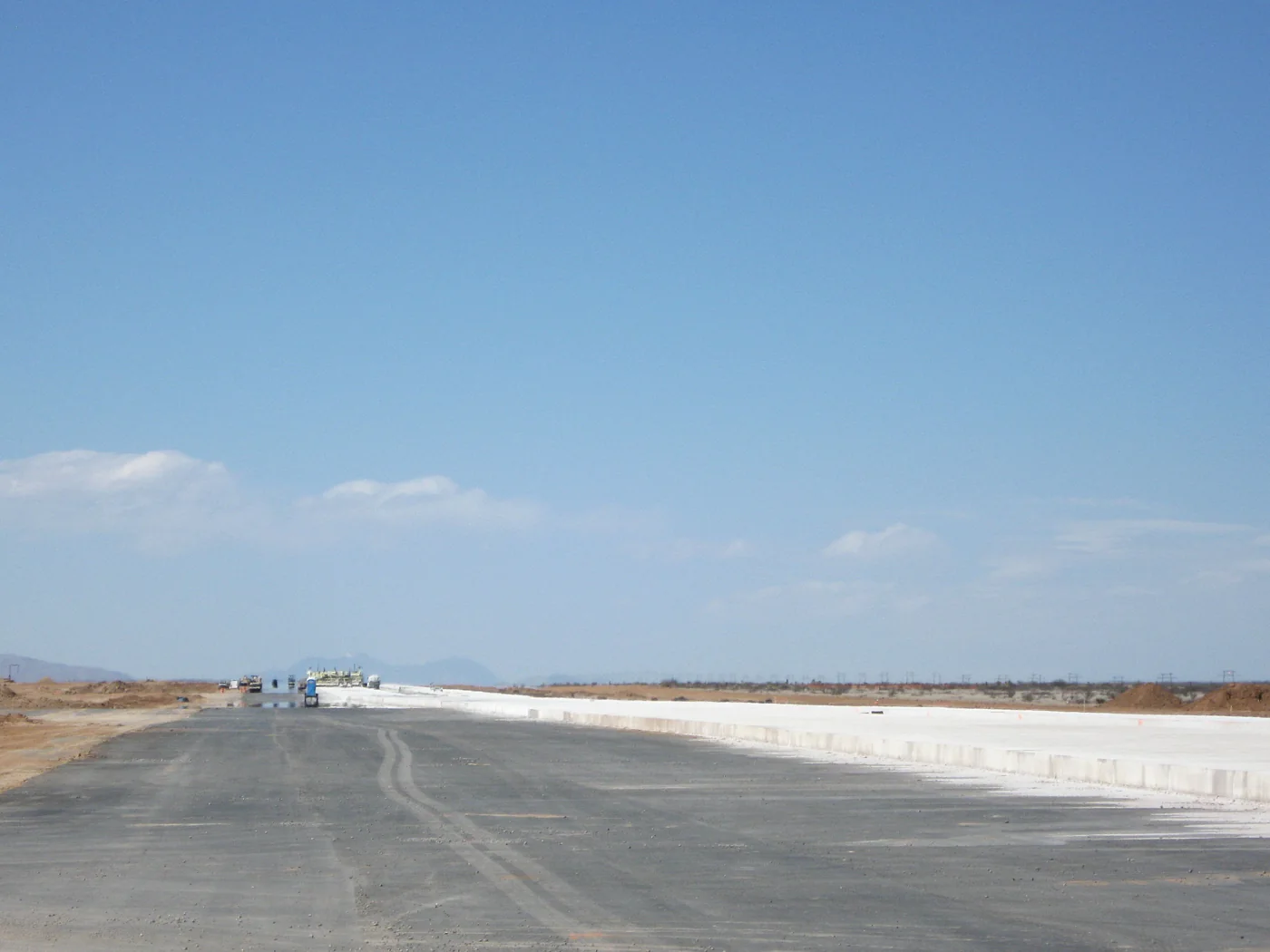
Water and hard debris do not belong inside a moving pavement joint. Keeping them out is the basic job of an airport runway joint sealant. Buying one is trickier: the material has to suit the drawn detail, meet the written specification, and still be practical for the crew to place. The word “runway” on a label settles none of that.
Start with the contract documents. They tell the buyer what must be proven and tell the installer what the joint should look like before any material is placed. Product selection comes after that reading, not before it.
Match Pavement Joint Sealant to the Runway Joint
Look at an airfield joint closely and the buying questions become easier. How wide and deep is the sealant reservoir? Are the edges sound? Is the run level, sloped, or interrupted by repairs? What movement did the engineer allow for? These are not details to fill in later. They set the physical limits for the seal.
Nobody owns the whole decision. The engineer sets the geometry and performance criteria; the supplier explains the material and supplies its records; the installer prepares and fills the joint. Purchasing has to connect their work and confirm that the airport runway joint sealant on the truck is the one in the approved submittal. Otherwise, a broad application claim can quietly turn into an assumed approval.
KINGDELI names roads and airport runways as uses for HY682 Self-leveling Sealant. The product is based on advanced polymer resin and is described as flexible and durable, with adhesion to many materials other than PE, PP, and PPR. Those facts support putting HY682 forward for review. They do not waive any airfield requirement.
When Self-Leveling Joint Sealant Is Useful
Self-leveling flow saves tooling on a long, horizontal run. Given a continuous reservoir, controlled depth, and level pavement, an airport runway joint sealant can settle to an even face on its own.
Site conditions can spoil that neat picture. Material pools in a hollow, disappears through an open bottom, or creeps along a slope. When the drawing shows backer material or a bond breaker, it is there to set depth and prevent an unwanted third bond. Broken joint edges need repair on their own; a flowing bead cannot rebuild them.
KINGDELI’s article on self-leveling and non-sag sealants explains the basic difference between those product forms. It is a useful primer. For an airport runway joint sealant, though, the drawing and specification still decide which behavior is acceptable.
Check Airport Runway Joint Sealant Against the Specification
“Suitable for airport runways” tells you where the maker expects the product to be considered. It does not hand the buyer an FAA approval, an ASTM result, or contract acceptance. Mark each requirement in the specification and pair it with current evidence. Where a named standard appears, the submittal needs the relevant test document; “outdoor durability” is too broad an answer.
Operating conditions deserve their own check. A water-resistant product may or may not tolerate jet fuel or hydraulic fluid. “Flexible” does not give a movement rating, a low-temperature result, or a service range. Package size reveals no cure schedule, either, though that schedule may control reopening. Use the data sheet and requested test evidence for each answer.
KINGDELI supplies HY682 in gray or white 500 g bags and states a 12-month shelf life. At receiving, match the batch and pack to the approval, then check storage history and expiry. KINGDELI’s sealant technical data sheet guide helps unpack the numbers behind a proposed airport runway joint sealant. Its product catalog shows other chemistries, but a catalog page is not a project submittal.
Plan Pavement Joint Sealant Preparation
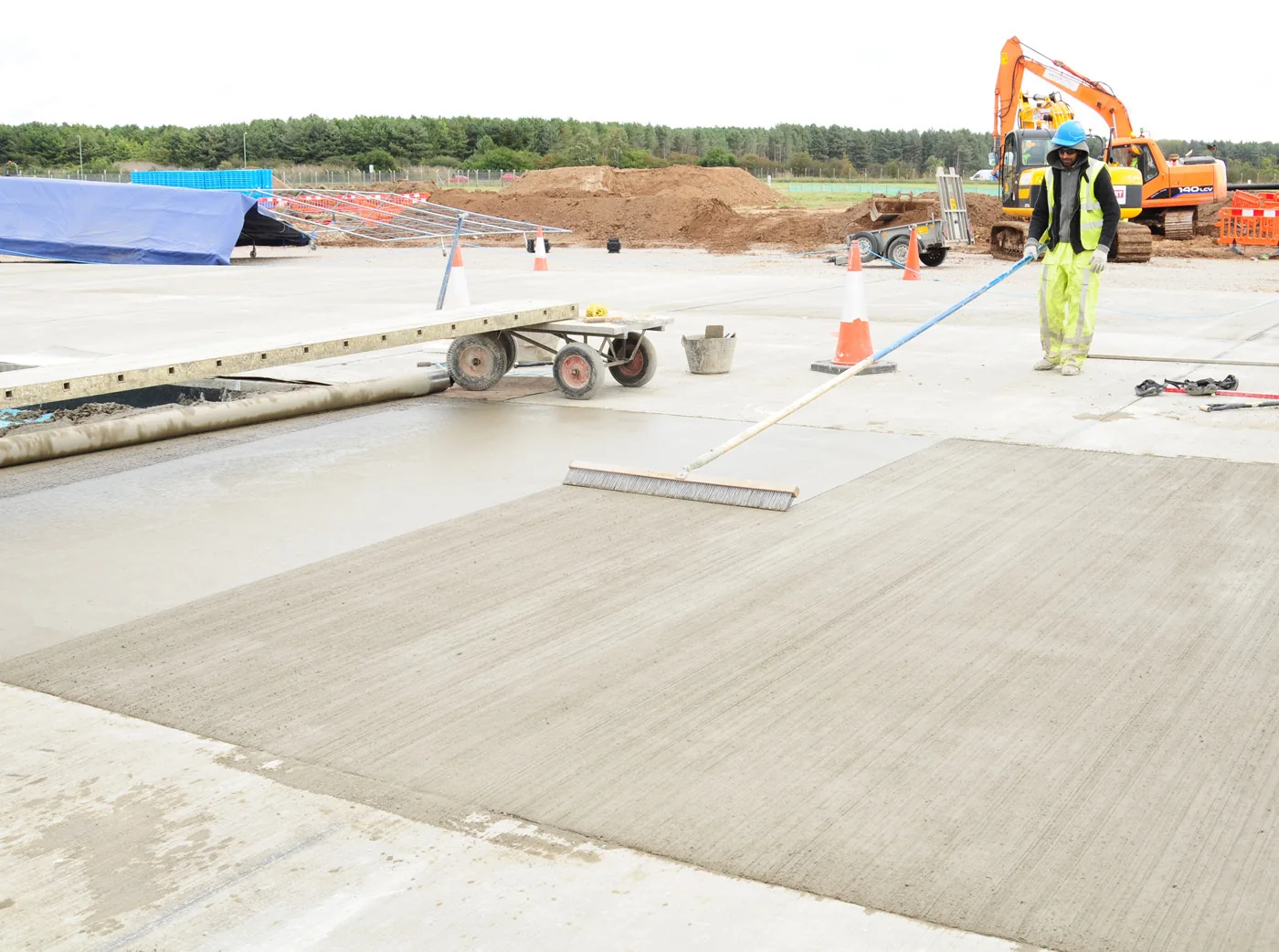
Even the right airport runway joint sealant will struggle on a dirty reservoir. Sawing and repair work can leave dust, laitance, loose grit, moisture, or old material along the bond faces. The approved method should say how those faces are cleaned and how the crew decides they are ready. Weather at the time of placement also belongs in that method.
Then there is geometry. Backer material must sit at the specified depth, not wherever it happens to stop. Joint edges should be checked for spalls before filling. If old airport runway joint sealant remains, the method needs to address its removal. Skipping those checks can produce a neat-looking surface over a poor bond.
According to KINGDELI’s product information, HY682 can perform in low humidity. It contains no isocyanates, solvents, halogens, or acidic components, and it is compatible with water-based coatings. Keep those claims in their lane. They do not answer questions about cure scheduling, traffic opening, worker controls, or airfield certification; the current technical and safety documents must do that.
Make Airfield Joint Sealant Approval Easy to Audit
The supplier can only answer the project you describe. Share the pavement and joint detail, movement, likely exposure, placement temperature, reopening requirement, color, quantity, and the engineer’s submittal list. In return, request current technical and safety sheets, relevant test reports, pack and shelf-life information, and a way to identify the batch.
If the specification calls for a field trial, agree on acceptance before the test strip is placed. The trial can then expose problems with cleaning, dispensing, flow, or the finished profile while the crew and equipment are still there. A note saying “looked fine” will not help much months later.
Buyers can review KINGDELI’s R&D and quality-control information when assessing manufacturing support. Use the KINGDELI contact page to request HY682 documents and discuss the actual joint. The evidence may confirm a fit, call for more testing, or rule the product out. All three outcomes are more useful than approving an airport runway joint sealant from an application label.
FAQs
Q: Does “for airport runways” mean the sealant is FAA approved?
A: No. The phrase describes an intended application. Approval depends on the project’s FAA provisions, named ASTM standards, airport rules, and contract requirements. Check current evidence for each one before accepting the airport runway joint sealant.
Q: Why choose a self-leveling product for a runway joint?
A: On a properly prepared horizontal reservoir, the bead can settle evenly with less tooling. A slope, damaged edge, wrong depth, or misplaced backer changes that result, and a vertical transition may need a non-sag product.
Q: What should a buyer send to the supplier?
A: Give the supplier the pavement type, joint dimensions, movement, exposure, placement temperature, reopening needs, required standards, quantity, color, and submittal list. That turns a general airport runway joint sealant request into a question about one real job.